Abrasive blasting, also known as sandblasting, is a surface treatment process that involves forcibly propelling an abrasive material against a surface at high pressure to remove contaminants, roughen or smooth the surface, or prepare it for coating or bonding. The abrasive material can range from traditional sand to more specialized materials such as steel shot, glass beads, or garnet.
Abrasive blasting has become a popular surface treatment method in various industries due to its effectiveness, speed, and versatility. It is commonly used in industries such as automotive, aerospace, construction, marine, and manufacturing.
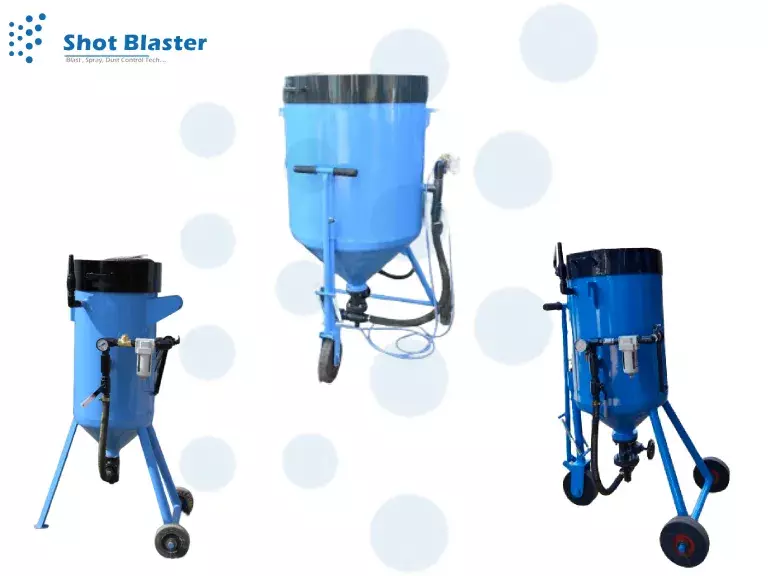
The process of abrasive blasting involves several key components, including the abrasive material, blasting equipment, and air compressor. The blasting equipment typically consists of a blasting cabinet or blast room, a blast pot or pressure vessel, and a blasting nozzle. The operator controls the blasting process by adjusting the pressure and flow of the abrasive material and directing the nozzle over the surface being treated.
Abrasive blasting can be used for a variety of purposes, including:
-
Surface preparation:
Abrasive blasting can be used to remove rust, paint, and other contaminants from a surface, leaving it clean and ready for coating or painting.
-
Deburring:
Abrasive blasting can be used to remove burrs and sharp edges from metal parts. -
Etching:
Abrasive blasting can be used to etch designs or logos onto a surface. -
Cleaning:
Abrasive blasting can be used to clean surfaces such as concrete floors or brick walls.
There are several types of abrasive blasting techniques that can be used, including:
-
Wet blasting:
This technique involves the use of water as the abrasive material, reducing the amount of dust generated during the blasting process. -
Dry blasting:
This technique uses dry abrasive material and generates a large amount of dust. -
Vacuum blasting:
This technique uses a vacuum system to capture the abrasive material and dust generated during the blasting process. -
Wheel blasting:
This technique involves the use of a spinning wheel that propels the abrasive material against the surface being treated.
While abrasive blasting has many benefits, it can also pose risks to the operator and others in the vicinity. The abrasive material and dust generated during the blasting process can be harmful if inhaled, and the high-pressure equipment can be dangerous if not operated correctly. Proper safety measures and personal protective equipment should always be used when performing abrasive blasting.
In conclusion, abrasive blasting is a versatile and effective surface treatment method used in various industries for a range of purposes. It is important to follow proper safety measures and use the appropriate equipment and abrasive material for each specific application to ensure a successful and safe outcome
Related Sites:-